


Food waste solutions are a win-win for multiple crises facing the world today, panelists said during an event at Climate Week NYC.

“A Food Waste Breakthrough” Summit Aligns Industry, Science, and Policy for Climate Action
“Reducing food waste is a fast, cost-effective way to cut greenhouse gas emissions while boosting food security, saving households and businesses money, and easing pressure on land and water.”

240+ Speakers Are Joining Us at Climate Week NYC. Will You Be There Too?
Now more than ever, as a food and agriculture movement, we need to show the world that our systems are both a key solution to the climate crisis and that the climate crisis demands urgent attention.

Repurposing Food Waste in University Dining: A Triple Win
College chefs are turning food scraps into delicious meals, saving money, reducing waste, and increasing staff engagement.

Your Field Guide to Building Hope and Community Strength in Today’s World
We owe it to ourselves, our communities, and the next generations to push back against that destructive fear and strengthen our sense of hope.
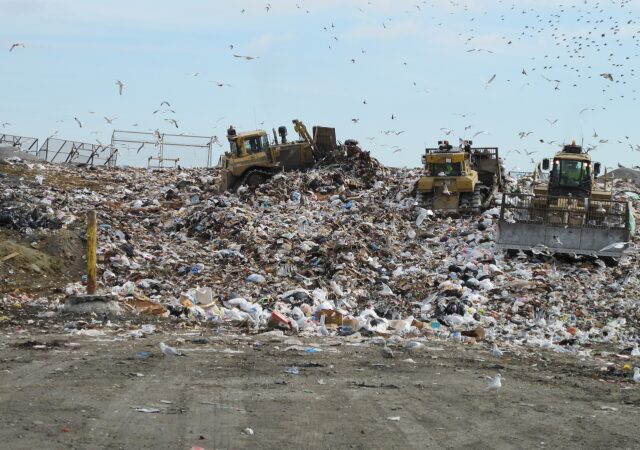
ReFED Reveals Methane Hotspots and Food Waste Solutions
A reduction in methane emissions offers an emergency brake to keep the climate crisis from accelerating. A recent report shows how this can be achieved.

Effective Waste Management: Lessons from Massachusetts
What can other states learn from Massachusetts? The key to their waste ban success is clearer than you think.
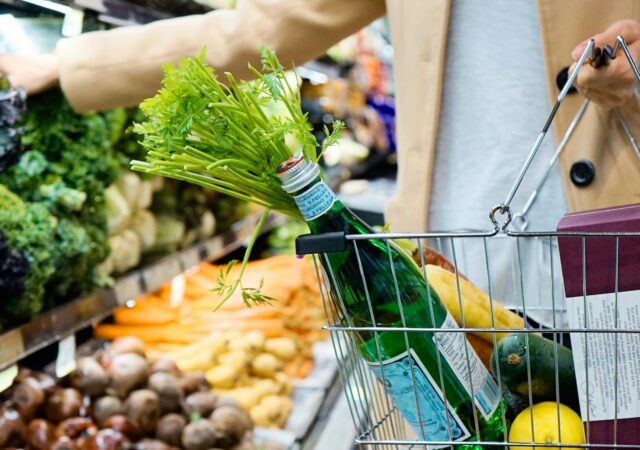
West Coast Grocery Stores Seeing Drop in Unsold Food
A recent report shows a 25 percent drop in unsold food in West Coast grocery stores, indicating progress on tackling food waste.
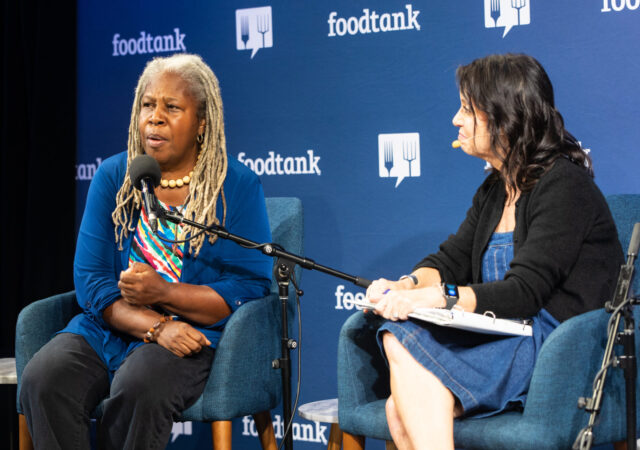
Community Food Security And Health Equity Are The Backbones Of Climate Progress
A resilient food system must center farmers and support communities in producing their own food, panelists said at Climate Week NYC.

Food Recovery Network Teams Up with Local Students to Recover Surplus Food During Super Bowl LVIII
During last year’s Super Bowl, Food Recovery Network diverted enough food to produce more than 2,400 meals for those in need.
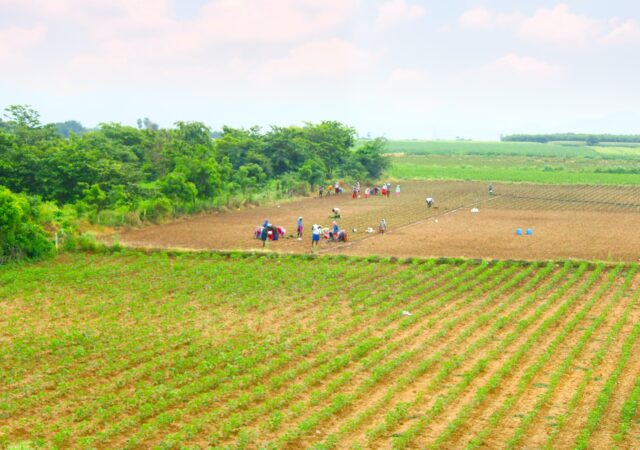
Dispatch from the U.N. Climate Change Conference: Friday, Dec. 8
COP28 is calling governments, corporations, and philanthropists together, with youth and education taking center stage.
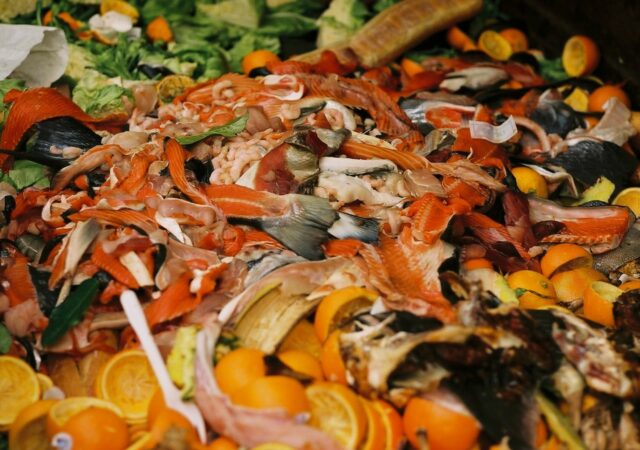
New Food Waste Data Is Out. What Do the Numbers Mean for Our Food System?
In 2021, the U.S. produced 91 million tons of surplus food. That’s roughly 38 percent of the country’s total food supply.
ReFED Launches New Tool to Track Funding Aimed at Food Waste
ReFED’s new tool allows users to follow trends in food waste reduction strategies and the financing that drives them.

Stepping Up to the Plate: The Private Sector’s Role in Fighting Food Waste
Organizations must consider actionable, easy to use solutions that they can introduce in their own kitchens to reduce food waste.
ReFED Relaunches Digital Database to Combat Food Waste
ReFED updated its Food Waste Policy Finder, an online database of policy at the federal, state, and local levels pertaining to food waste prevention, recovery, and recycling.

“Whether You Produce Food or Not, Food Waste Is Still Your Problem,” Says Niyeti Shah
At the Future of Food @ SXSW, panelists discussed the different types of innovation required to end food waste.
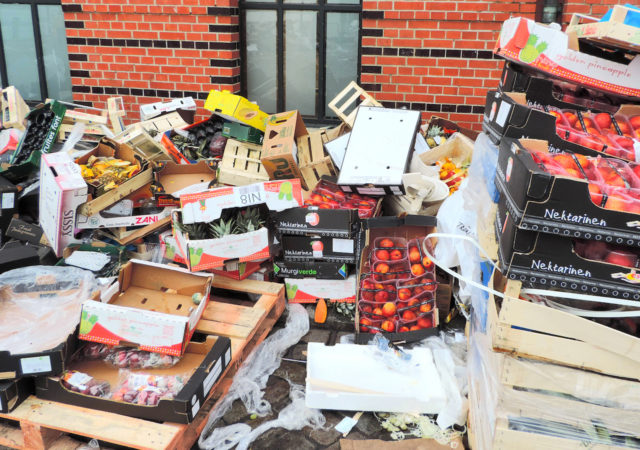
Food Waste Experts Highlight Policy Solutions for the Public and Private Sectors
The event highlights policy solutions that reduce food waste across the food supply chain and improve food security.
The Future of Food @ SXSW
The Future of Food @ SXSW, presented by The Kroger Co. Zero Hunger | Zero Waste Foundation, will take place online March 18-21 and feature leaders from across the food system.

ReFED Launches New Roadmap, Digital Tools to Combat Food Waste
After data showed the amount of food waste in the U.S. was leveling off, ReFED created a suite of digital tools and data-driven solutions to make a larger impact on reducing waste.

Supply Chain Transparency Can Support a Stronger Food System
Food system experts discuss the ways that supply chain transparency can support food access, reduce food loss, and empower consumers.
