

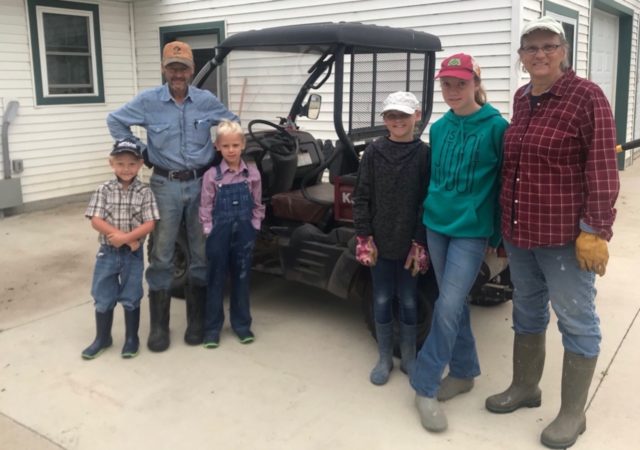
The Kenyons knew they needed to find a stable market that would allow them to raise their hogs humanely and sustainably.

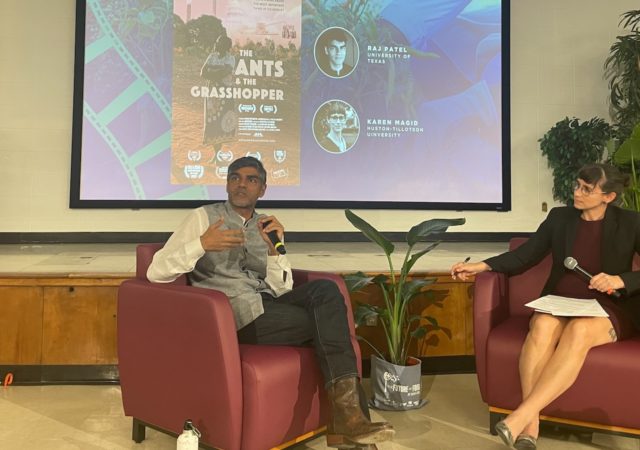
Transformative change cannot be done alone, says filmmaker Raj Patel
“Collectively, we have to get with the idea that we’re living on the same planet as everybody else, and we can’t go around trashing it,” says Patel.
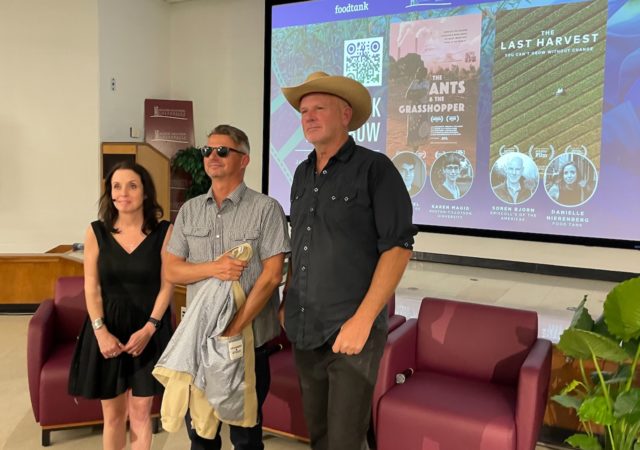
“Agriculture is where nature and culture meet,” says pioneering artist and chef Jim Denevan
Denevan’s creations are a practice in the ever-changing, temporal nature of life, as well as the interconnection of all eaters. Both his art and dinners emphasize the need for collaboration between eaters and the environment.
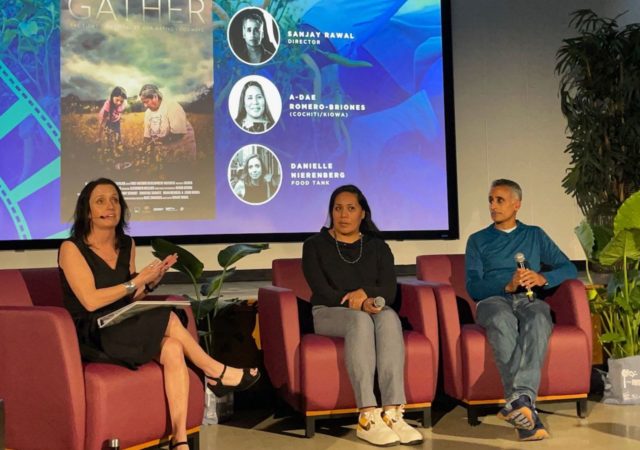
A-dae Romero-Briones: “We have to recognize that we are all living, breathing stories”
Filmmakers need to have experience in philanthropy and an established network to tell these types of stories, says Director Sanjay Rawal, and this means that “the right people to tell the stories usually aren’t the ones telling the stories.”
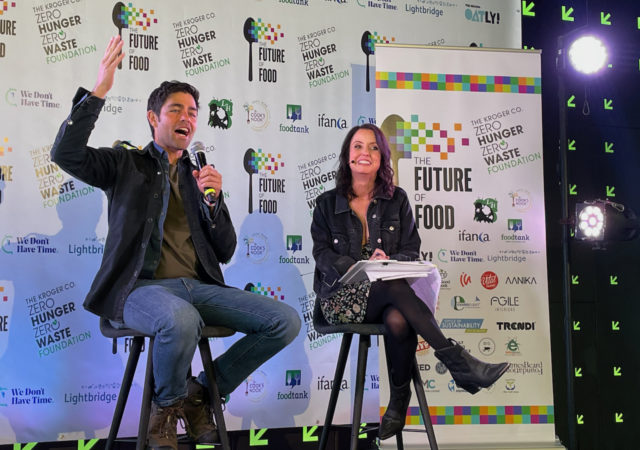
“To help the planet and the Earth, it’s all about connection,” says Adrian Grenier
Grenier’s new documentary series Earth Speed aims to show how both personal development and environmental innovations can contribute to a better world by connecting viewers to stories of the land.
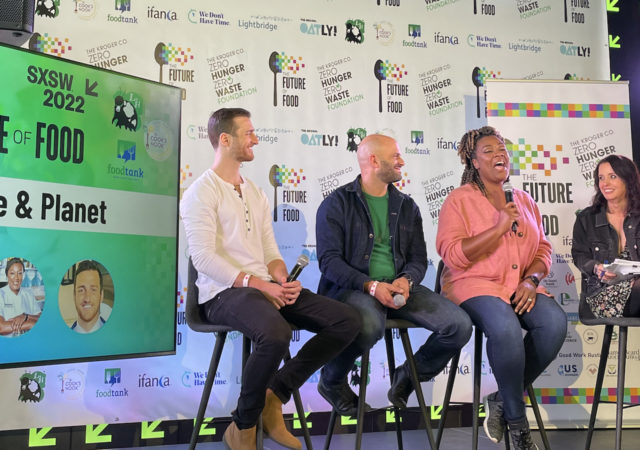
Good for plate and planet: “The future has to be delicious”
According to Kamine, “if one out of every five pieces of chicken that we all ate was a Do Good Chicken, we’d solve food waste in the next five years.”
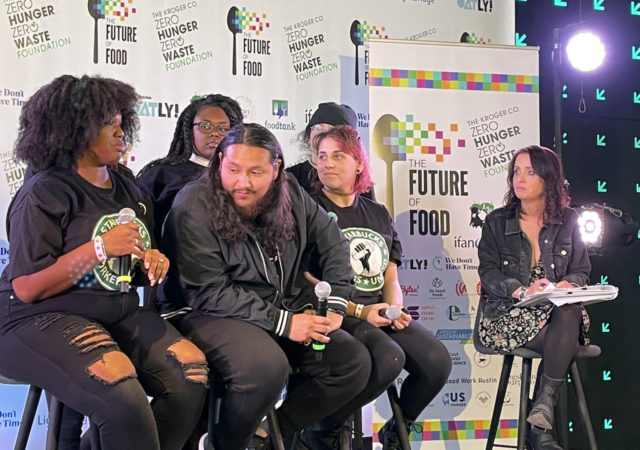
Starbucks employees forming a union: Working conditions are “putting all of us in danger”
Some of the Memphis 7 members’ grandparents marched with Martin Luther King, Jr., during the 1968 Memphis Sanitation Workers’ Strike. “Now, it’s picking up where they left off.”

Vital Farms: “We’re aligned around something much bigger than selling eggs”
At the Future of Food @ SXSW, Jennifer Gregg says companies need to ask what crew members need and rally behind it, rather than telling them what they need.
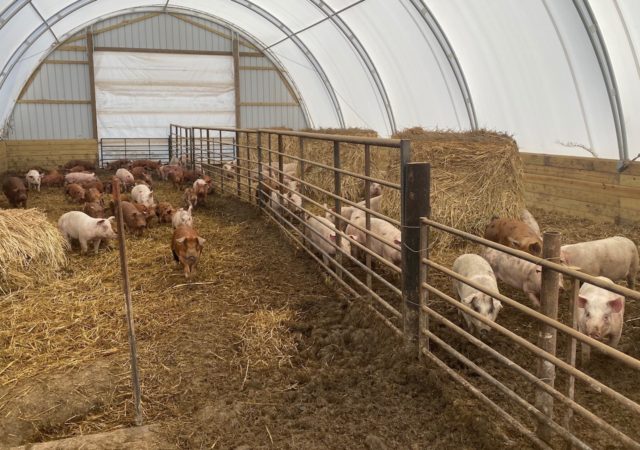
The Next Generation of Hog Farming: “I’d Rather Be the Best Farmer than the Biggest Farmer”
Carlson Family Farm gives their hogs plenty of time outdoors so they have the freedom to move and express their natural habits.
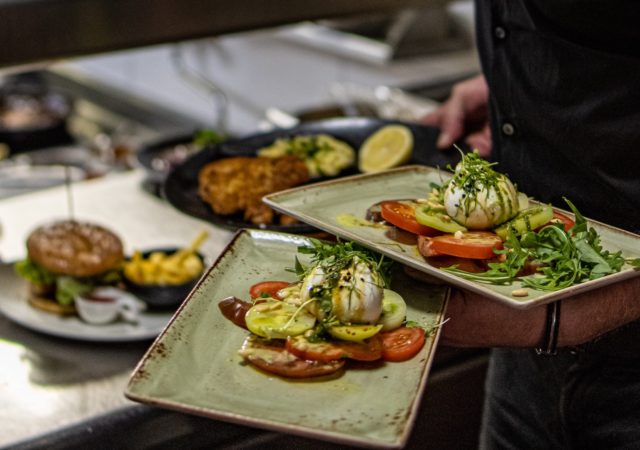
How Behavioral Science Can Help Mitigate Food Waste
Through behavioral nudges and technology, a resort and entertainment company is working to cut plate waste in employee dining areas by 35 percent.
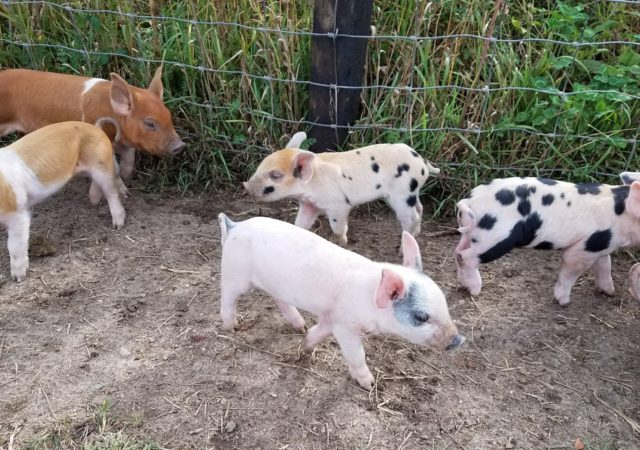
Learning a New Way of Farming: “There’s Never a Dull Moment”
Since changing their livestock practices, farmers Benjamin and Bryanna Harner say it is rewarding to see happier, calmer pigs.
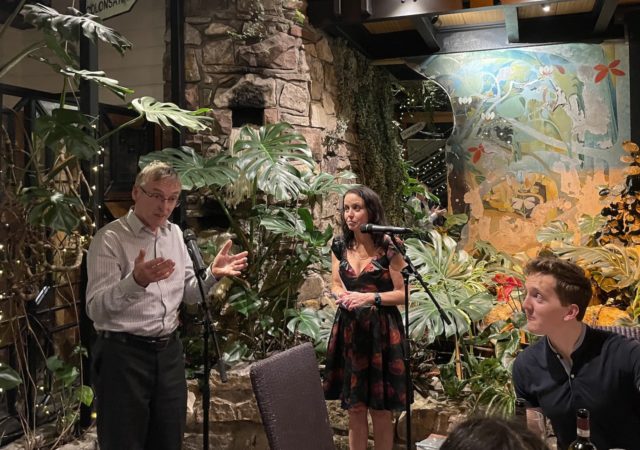
Breaking Down Silos and Amplifying Young Voices at Eat4Change
On November 8, UN Climate Change Conference (COP26) attendees including national-level stakeholders and civil society groups gathered at the Ubiquitous Chip restaurant in Glasgow, Scotland for Eat4Change, a dinner to celebrate the power of food to transform people and planet.…

Food Security Policy Must Consider Local Context: “Climate Change and Poverty Are Inherently Sexist”
Climate change is having an increasingly negative impact on global food security, and these impacts are falling disproportionately on women.
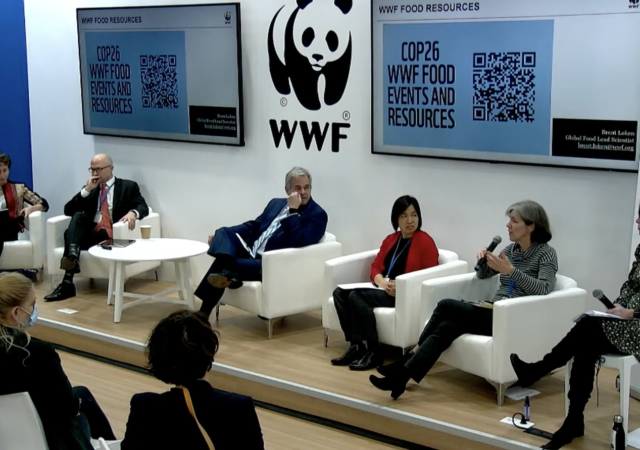
Healthy and Sustainable Diets Are Critical to Reaching 1.5°C Climate Goal
Even if all other sectors decarbonize completely, carbon emissions from food systems alone would use nearly all of the emissions budget for both 1.5°C and 2°C goals.
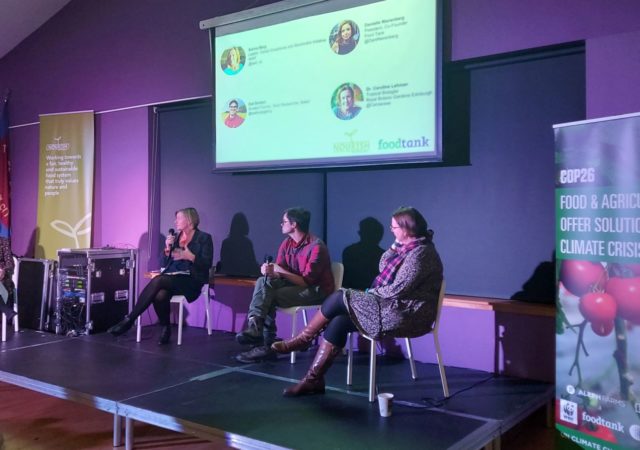
The “Runaway Train” Rush to Plant Trees Ignores a Critical Global Ecosystem
Grasslands and savannahs represent some of the world’s richest and most diverse land areas, yet the importance of these ecosystems has long been ignored.
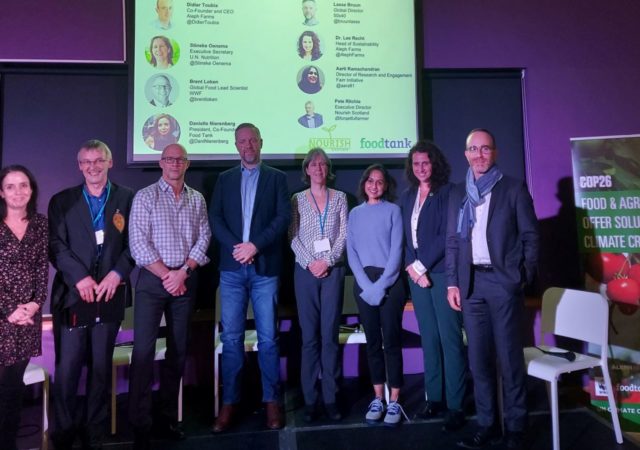
What Does a Just Transition Look Like for the Meat Sector?
Especially in the last decade, the discourse surrounding the meat sector often oversimplifies a complex ecosystem down to good actors versus bad actors.
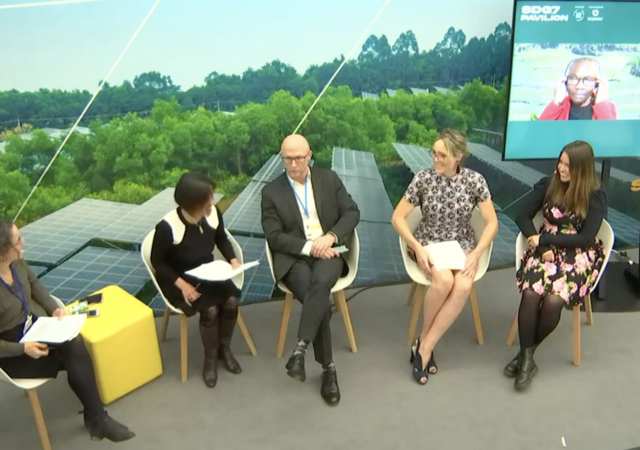
Regaining Power Through Food: Food System Vision Prize Winners Showcased at COP26
Taking these projects from vision to reality means bringing food systems to the forefront of global conversations surrounding climate.
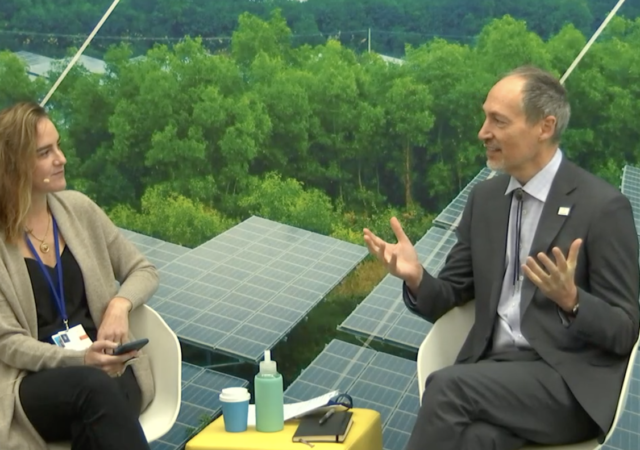
True Cost Accounting to Drive “the Biggest Change in Farming Since the Industrial Revolution”
The global population consumes about US$9 trillion of food each year, but the external cost of that food is more than double that—US$19.8 trillion.
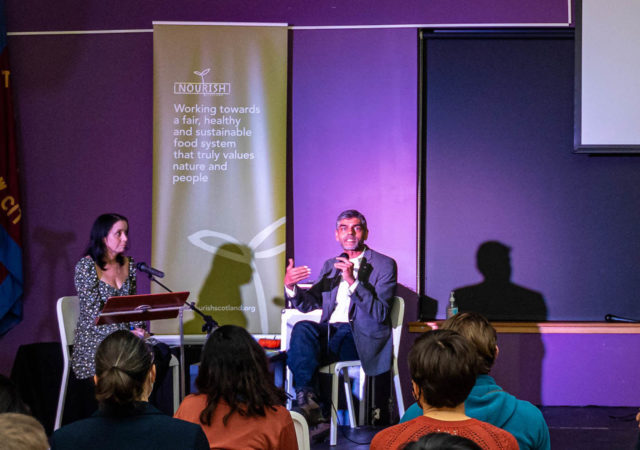
“The Ants and the Grasshopper” Shows How Denial Can Be a Win for Activists
The film shows how the fight for climate action will also be a battle for food sovereignty, racial justice, and gender equality around the world through the narrative of Anita Chitaya, a small farmer and local leader in the village of Bwabwa, Malawi.
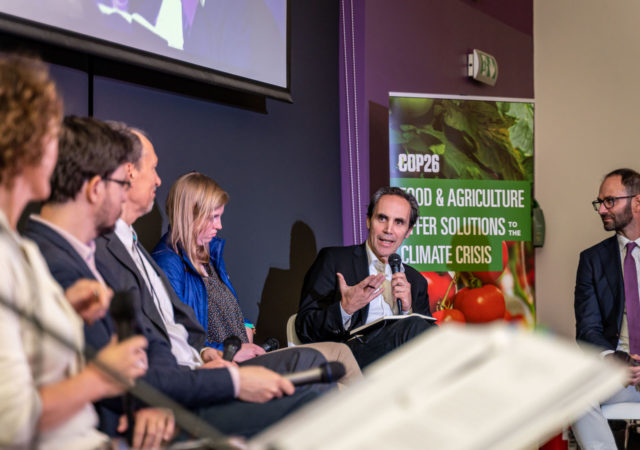
Philanthropy’s Role in the Climate Emergency: “Transformation Means Challenging the Status Quo”
Philanthropy spends billions on issue areas that are implicitly connected to food systems, yet food issues are seldom explicitly addressed in funding strategies.
