


This week’s roundup looks at biodiversity risks, farm funding, pesticide safety, and why millions of children still miss out on after-school meals.

Draft MAHA Report Favors Research, Not Rules
A leaked draft MAHA Strategy to address childhood chronic disease highlights education and research but avoids tougher restrictions on industry.

Bee Colony Collapse Threatens U.S. Food Supply
In 2025, U.S. beekeepers face massive losses as a serious bee colony collapse threatens crop pollination and honey production—pesticide-resistant mites are one suspected culprit.

Dr. Mariangela Hungria Is Driving an Agricultural Revolution for People and Planet
The research from this year’s World Food Prize laureate, Dr. Mariangela Hungria, has helped farmers reduce their reliance on fertilizers, cut costs, and boost yields.

New Legislation Protects Pesticide Manufacturers from Legal Complaints of Harm
Agrochemical companies like Bayer are lobbying for legal immunity against failure-to-warn lawsuits linking pesticides to adverse health effects.

The Hidden Costs of Food Misinformation: Visualizing the Consequences
The current wave of food anxiety stems, in large part, from a misunderstanding of hazard versus risk.

Op-Ed | Defining Regenerative Agriculture with Integrity
New science reveals the toxic footprint and climate costs of conventional no-till farming practices that are sold as regenerative agriculture.

Pollinators Are More Diverse than We Think—And Face Challenges We Aren’t Fully Addressing
Pollinators are in trouble. Without them, our food systems and the way we eat wouldn’t be the same.
Undercover Networks: How the Agrochemical Industry Silences Critics
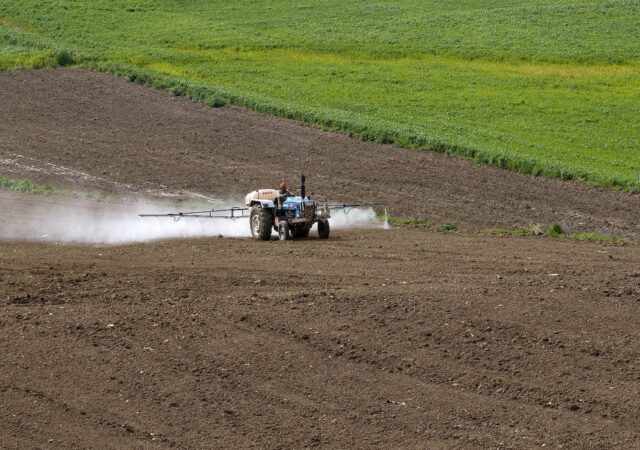
A private social more than 500 scientists, journalists, environmentalists, and human rights experts critical of the pesticide industry and GMOs.
Mexico Is Right to Reject GMO Tortillas
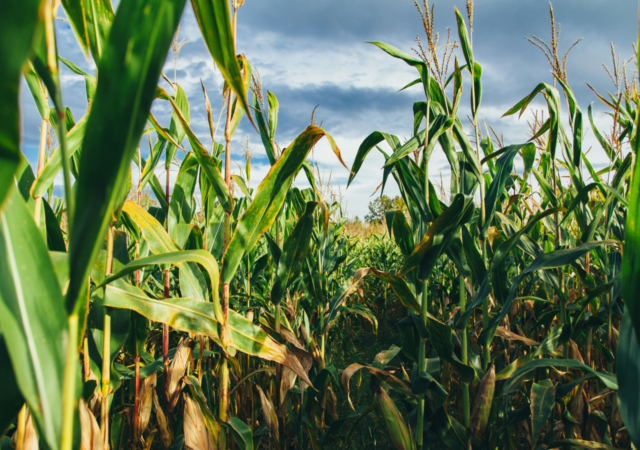
High levels of genetically engineered toxins and glyphosate in GM corn pose serious health risks in Mexico.
Report Urges Financial Sector to Take Action and Reverse Biodiversity Loss
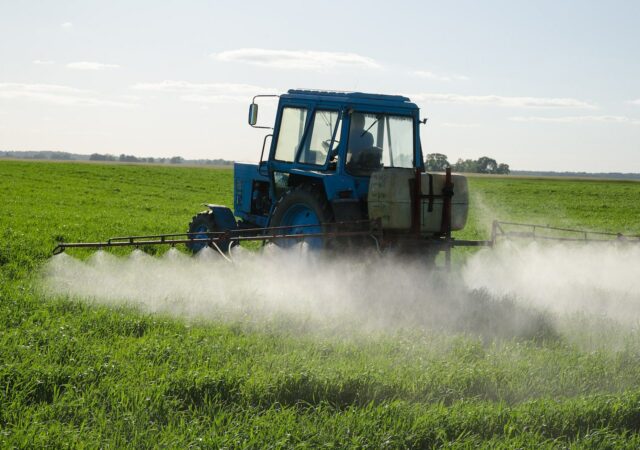
Estimates suggest pesticide use is up 80 percent since 1990. That’s a problem for the world’s biodiversity.
Current Laws Fail to Protect Farm Workers from Pesticides
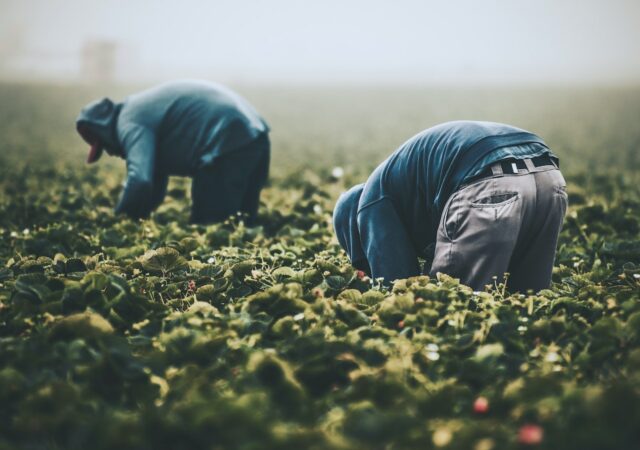
A recent report shows that farm workers are at risk of exposure to harmful pesticides due to failed enforcement of federal and state laws.
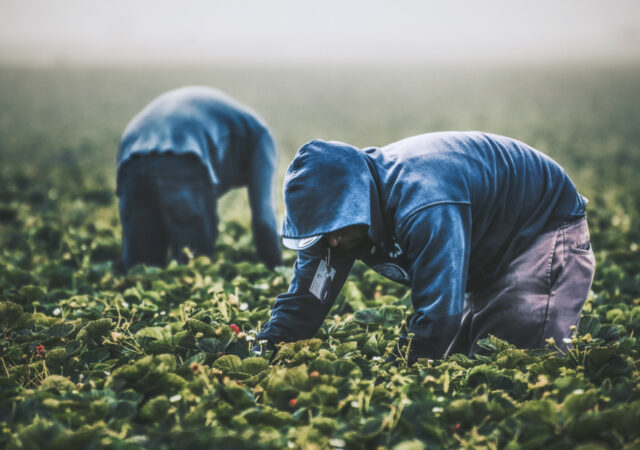
Report Investigates the Past, Present, and Future of Agrochemicals and Environmental Justice
New resources help students understand the ways industrial agriculture and agrochemicals impact their own communities and surrounding environments.

New Report Shows That More Colleges Have Every Reason to Ditch Toxic Pesticides
Transitioning to organic practices can have economic, environmental, and health benefits, research shows.
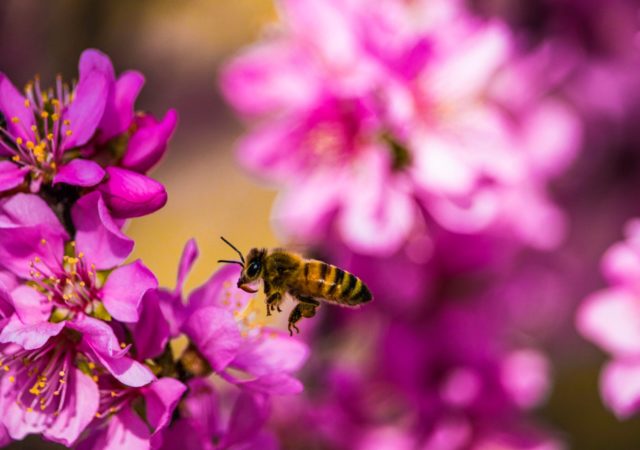
Major U.S. Grocery Stores Step Up to Save the Bees, But Are They Doing Enough?
Some of the largest U.S. grocery stores are stepping up and taking action to protect bees from toxic pesticides.
Food Talk Live: Carey Gillam
Carey Gillam is an American investigative journalist and the Research Director for non-profit consumer group U.S. Right to Know, an organization working toward transparency in the food system. Gillam has recently published a new book, entitled The Monsanto Papers, which exposes corruption in one of the world’s biggest pesticide producers.
Most Americans Have Roundup in Their Bodies. Researchers Say One Week of Eating Organic Can Help.
A new study finds that just one week of organic eating can reduce pesticide levels in the body by an average of 60 percent.
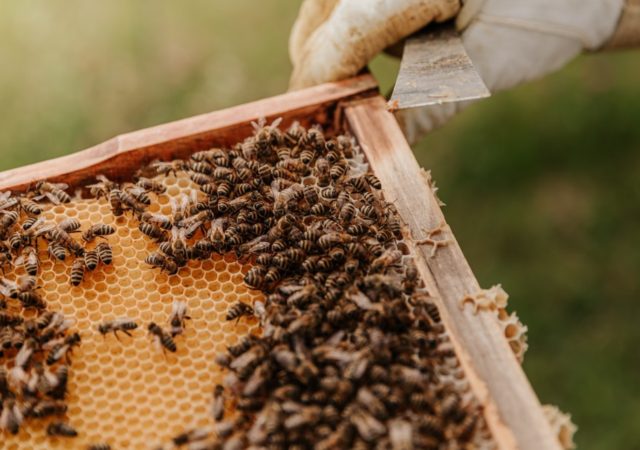
Which Grocery Retailers Make the Grade on Bee-friendly Food?
A new scorecard ranks leaders and laggards on protecting pollinators from toxic pesticides in supply chains amid an “insect apocalypse.”
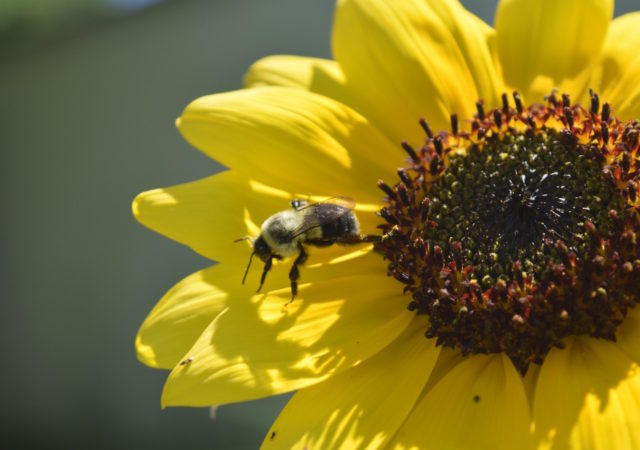
15 Organizations and Initiatives Helping to Save the Bees
Contributing author: Leslie Brooks More than 75 percent of the world’s food crops rely on pollinators, according to the United Nations Environment Program (UNEP). Through their pollination, bees not only promote biodiversity, but also secure our food supply. But one…
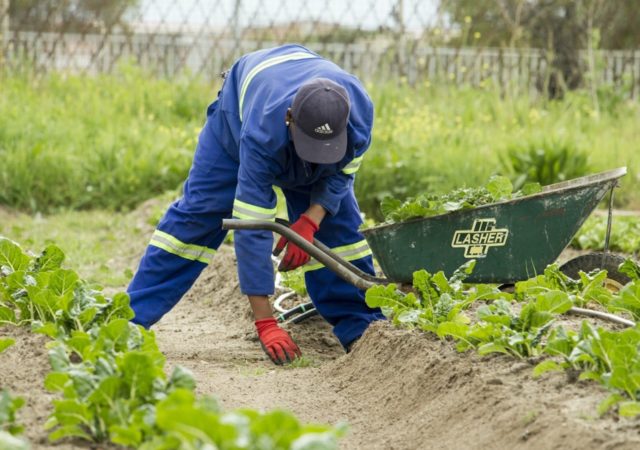
We All Have the Right to Food Grown Without Toxic Pesticides
In some neighborhoods, organic produce can be inaccessible and unaffordable, but everyone has a right to food free from pesticides.
