

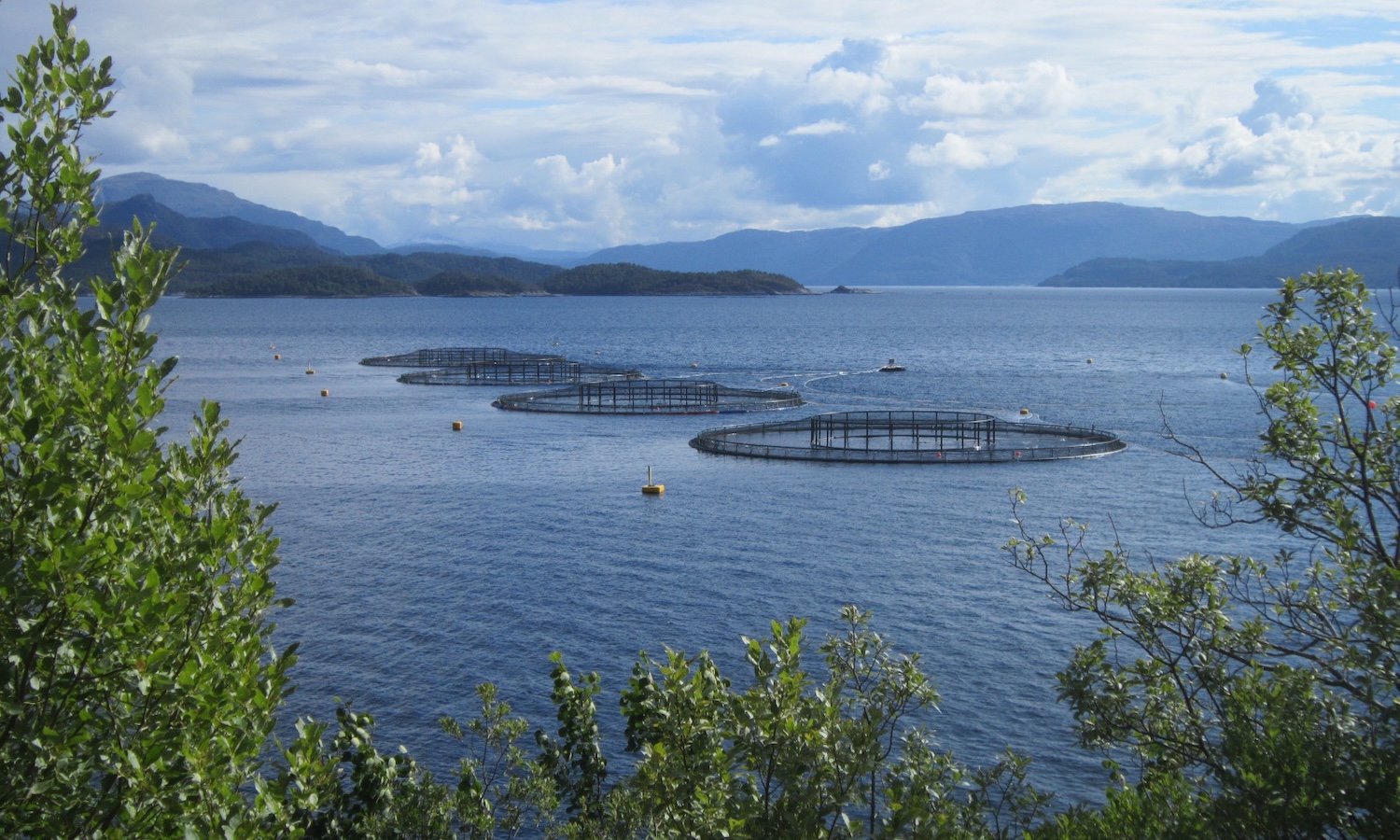
Mentioning the words “farmed salmon” often sparks debate, and for good reason. The sector sits in a complicated intersection between promise and pressure. The industry has faced real challenges in terms of environmental footprint and welfare yet is also undergoing one of the most rapid sustainability transitions in the global food landscape, driven by innovation, transparency and stronger standards. In a world where we need low-impact, nutritious food, this evolution is important because responsible farmed salmon, and aquaculture more broadly, is increasingly central to the question of how we feed a growing population within planetary boundaries.
Our ocean holds tremendous potential for sustainable food production. Despite covering more than 70 percent of the planet, less than five percent of the ocean is currently used to produce food. With responsible management, it could provide more than six times the nutrition it does now. As land-based agriculture faces increasing pressures of limited water, constrained land, and rising emissions, blue foods and aquaculture offer a critical way forward—they can produce more nutrient-dense calories with fewer environmental impacts.
Farmed salmon has emerged as a cornerstone species of modern aquaculture—a clear example of how an industry can combine deep scientific expertise with emerging technologies to continually adapt and improve. From advanced monitoring systems to new feed ingredients and welfare-focused husbandry, the sector is leveraging innovation to enhance its nutritional value while steadily reducing its footprint. It is not without challenges, but it has progressed significantly from where it began and is evolving faster than many people realize.
Critics sometimes portray salmon farming and ocean conservation as opposing forces. But they are interconnected. The success of coastal communities and aquaculture farmers both depend upon healthy marine ecosystems. Our member companies are committed to investing in innovation, advocating for strong effective regulatory frameworks and partnering with communities, scientists and NGOs to elevate environmental and social standards to ensure the industry continues to play its role in ensuring a responsible blue economy.
The sector’s progress is guided not only by technology and expertise, but also by rigorous collaboration with scientific bodies and independent certification programs. Frameworks such as third-party environmental standards, welfare protocols, and ecosystem monitoring requirements create clear boundaries and roadmaps for responsible production. Many of these standards are tightly linked to broader marine ecosystem management setting limits on site impacts, protecting biodiversity, and ensuring farms operate within the ecological capacity of local waters. These guidelines are continually reviewed, strengthened, and updated as new science emerges, ensuring that farmed salmon producers are consistently held to evolving best practices and measurable performance benchmarks. This ongoing cycle of assessment and improvement helps drive the industry toward higher levels of transparency, accountability, and sustainability.
At the recent EAT Stockholm Food Forum, leaders from across food systems including farmers, Indigenous communities, researchers, chefs, and business leaders came together to advance a healthier, more equitable food future. Salmon farming was part of that dialogue, sharing how ocean-based food production can model responsible innovation and climate resilience.
Outdated assumptions shouldn’t hold back progress. Like every form of food production, salmon farming still faces challenges and must continue to improve. But today’s responsible aquaculture shows that sustainability, innovation, and animal welfare can align, delivering nutritious, low-impact food while safeguarding ocean health.
When we look closely, we see a story of possibility: an industry in evolution constantly learning, adapting and improving. Farmed salmon is helping redefine what responsible food production can be, nourishing people while protecting the planet.
Articles like the one you just read are made possible through the generosity of Food Tank members. Can we please count on you to be part of our growing movement? Become a member today by clicking here.
Photo courtesy of Brataffe, Wikimedia Commons


